


What’s the history of Muhurat trading?
The tradition of Muhurat Trading began almost 70 years ago at the Bombay Stock Exchange. Back in 1957, the Gujarati and Marwari merchants in Mumbai decided to bring their Diwali ritual to the stock market.
On Diwali, these traders gathered to perform Chopda Pujan to inaugurate their new account books. It is a ritual where the accounting books, like ledgers and cash registers, are worshipped. It is believed that worshipping them during Laxmi Pujan brings more wealth. Diwali also marks the last day of Samvat, which is the traditional financial year followed by Gujarati and Marwari merchants. From the next day onwards, these new accounting books are used.
What started on physical trading floors picked up pace after the NSE was set up in 1992, especially once trading went digital. Now, no matter where you live, you can log in from your phone or laptop and be part of it.
Why is it important for new investors?
In Hindu culture, any important new venture is timed with an auspicious moment. It is believed that starting a new activity during a ‘lucky time’ increases the chances of success. It helps remove the hesitation and fear of taking that first step into the market.
Prior to the Muhurat Trading 2026, many curated equity and mutual fund recommendations are released. This can help beginners with different ideas and references about investment options. However, these tips shouldn’t be followed blindly.
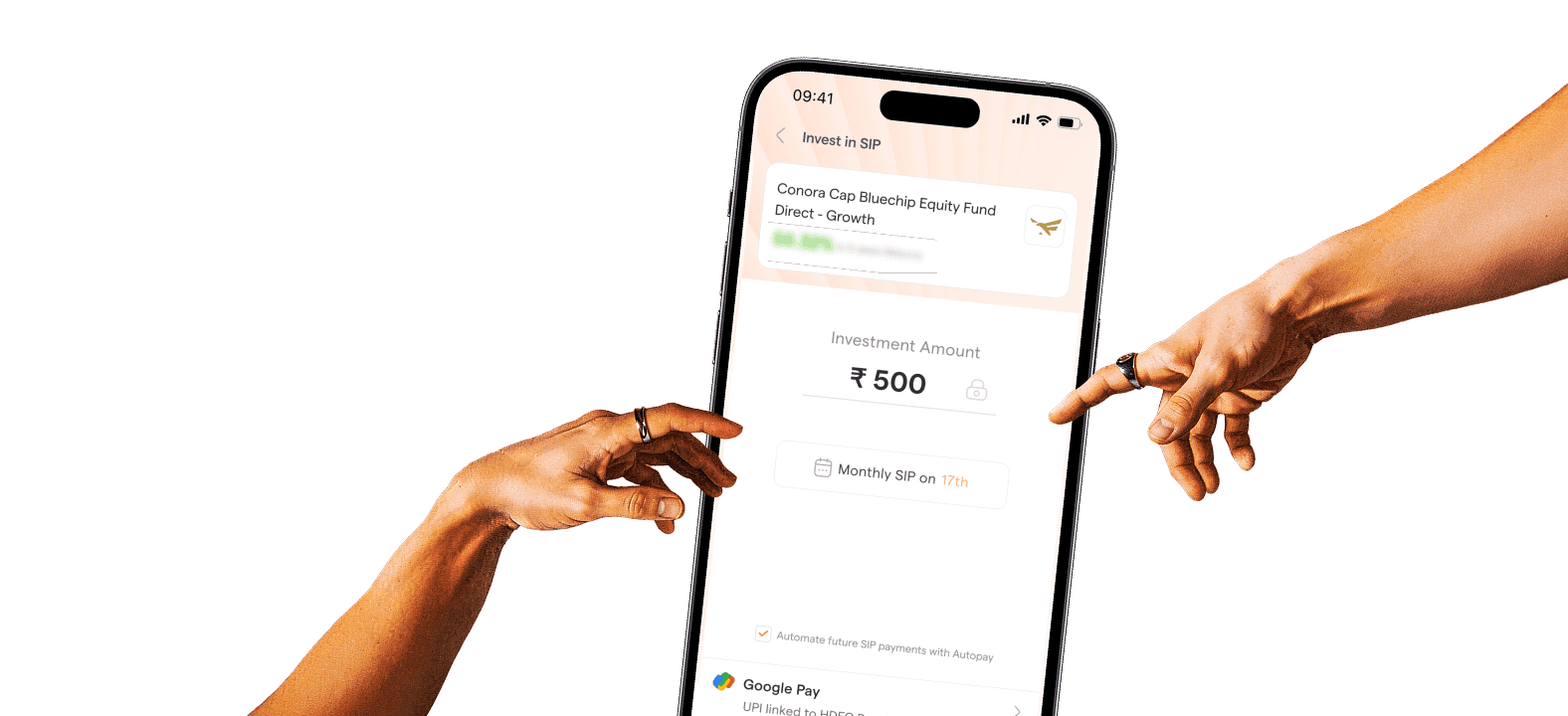
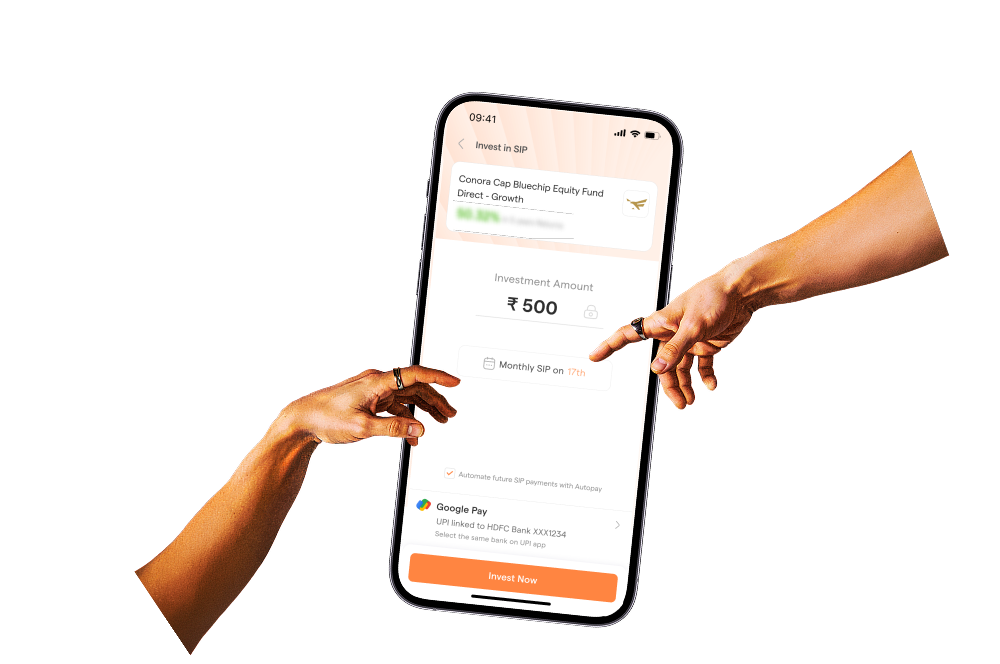
There is no pressure to commit a large amount. The tradition emphasises shagun, which means a token. You don't need a huge sum to get started. Even a small token investment in a favourite stock or fund is a great way to mark day one. Many schemes on Millions start from as low as ₹100.
Muhurat Trading 2026: Session breakdown
The muhurat trading session where you can participate is 70 minutes long. However, there are other sessions around it. Let’s have a look at it:
In the pre-open session, the exchange opens, and you can start placing orders, but they are executed later. This session sets the opening prices. Once the prices settle, you can execute orders from 2:20 PM onwards. This session will continue for 70 minutes.
You cannot place any buy or sell order after the closing bell at 3:30 PM. Once the session wraps up, the system calculates the official closing price for the day. The mutual fund NAVs are calculated based on these closing prices.
The settlement takes T+1 day. If you place a buy order on November 8, it will be settled on November 9. However, note that November 10 is a holiday, so if it doesn’t settle on the 9th, you will see the shares in your demat on the 11th of November.
How to benefit from Muhurat Trading 2026?
Here are some benefits of starting your first SIP during Muhurat Trading 2026:
- Easy way to start: You can make investing part of your Diwali tradition and take your first step without overthinking it.
- Builds a long-term mindset: It can encourage you to invest for long-term wealth creation instead of chasing quick profits through trading.
- You can start small: You don’t need a lot of money to begin. Buying one or two units of an ETF can be a good enough start.
- Ready-made investment ideas: Many platforms share curated Diwali stock and fund picks, saving you hours of research while building your initial watchlist.
Taking part in Muhurat Trading 2026 shouldn’t be about rushing into an investment. Try to make a thoughtful start rather than simply placing the order just for the sake of it.
The bottom line
Muhurat Trading 2026 is a great time to start your investing journey. Pick investments that match your goals, risk tolerance, and timeline. You can explore stocks, mutual funds, and ETFs directly on the Millions app and start with whatever amount feels comfortable.
As you gain experience, you can gradually increase your SIP amount. Building wealth over the long term comes down to making informed decisions and investing regularly.
- Build a yearly review habit: Diwali gives you a chance to review your investments, check your asset allocation, and set financial goals for the year ahead.