


What is mutual fund redemption?
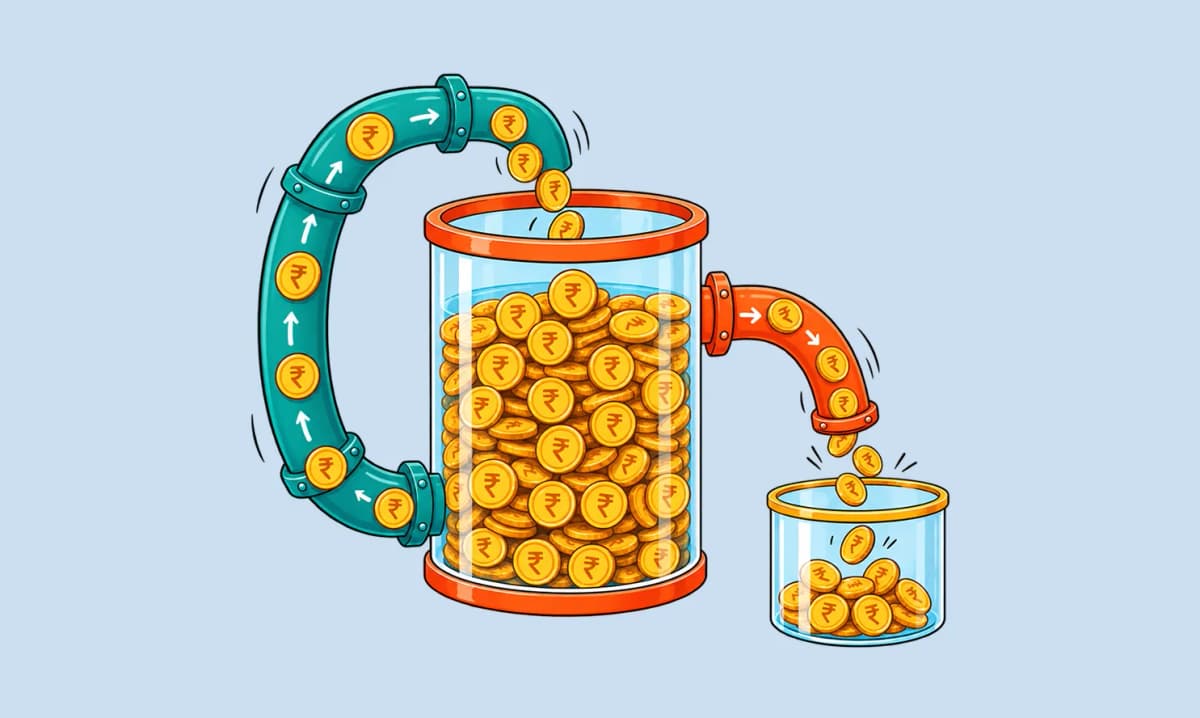
Under the Mutual Fund redemption process, you simply sell off your units back to the fund house. The fund company purchases these units at the Net Asset Value (NAV) of these units and pays the redemption money straight into your bank account.
Unlike the shares, here you do not require any other person to buy your units. You may opt for redeeming all your units or a portion of them according to your requirements.
Types of mutual fund redemption
In making a mutual fund redemption application, you get various choices for withdrawing your money. Let's take a look at the available options:
Unit-based redemption
If you desire to redeem a particular number of units of the mutual fund, then opt for this choice. The exact amount you get depends upon the appropriate NAV at the time of redemption.
Amount-based redemption
Do you need a particular amount rather than redeem a certain number of units? Just specify the number of units you want to redeem. The requisite number of units will be redeemed considering the current NAV.
Full redemption
For complete withdrawal from the scheme, you have the option for full redemption. This means that all your units in the mutual fund will be redeemed, and the money invested will be transferred to your bank account.
How to redeem Mutual Fund units?
The redemption of the mutual fund units is an easy procedure. You have the option to withdraw your funds online via your fund house, investment platform, or registrar's website. You can also initiate the withdrawal process offline via an authorised branch visit.
Online redemption
Investors generally favour online redemption because it is easy and fast. Visit the AMC site or mutual fund app that you use for investing. Choose the scheme, select full/partial redemption, provide the necessary information, and then send your application.
Through CAMS, KFintech or MF Central
If you have your funds invested in more than one fund house, then online portals such as CAMS, KFintech, and MF Central will enable you to do the redemption of eligible MF units.
Offline redemption
For those investors who do not wish to transact online, offline redemption is possible through AMCs, CAMS, and Fintech service centres. Fill out the redemption application along with the details. Once the request is processed, you will receive the money in your linked bank account.
Can you redeem a mutual fund anytime?
It really depends upon which kind of mutual fund you choose. In case of open-ended mutual funds, you can typically redeem your units on any business day. However, there are certain schemes where restrictions apply. For instance, one will not be able to withdraw money from ELSS mutual funds for at least three years.
Similarly, close-ended mutual fund schemes can generally be sold only after maturity. This is why you should always go through the redemption policy before making any investment.
How long does it take to receive the money?
After having made the redemption application, one of the first things you'll be interested in is checking your bank account. However, the payment doesn't happen instantly.
The time it takes will depend on what kind of mutual fund you have redeemed. The liquid funds have the quickest settlement process; it takes just one working day for the process of redemption to complete.
Whereas the debt mutual funds require one to two working days, and the equity mutual funds need two to three working days for redemption.
Don't ignore the 3:00 PM cut-off
When withdrawing from a mutual fund, your timing of withdrawal may affect the NAV at which the calculation will be made.
The standard time for this is usually 3:00 PM on any working day. Applications made prior to the cut-off are normally done based on the relevant NAV of the day, whereas applications made after the cut-off are normally processed based on the next business day's NAV, in accordance with regulatory guidelines. Such a minor point can have an effect, particularly at times when market volatility is high.
Does exit load matter?
Investors often ignore the exit load while withdrawing their investment in mutual funds.
Exit load refers to a charge imposed by certain mutual fund schemes when investors make redemptions of their units within a set period of time. However, not all mutual funds have an exit load. If they do, the amount and terms and conditions may differ from scheme to scheme.
This is why it is important to check the terms and conditions of the scheme before initiating a redemption request. Sometimes, all you need is patience to avoid paying an unnecessary charge.
What happens to your SIP after redemption?
Redemption of your money simply means taking out your investment amount completely or partially. In case you have an ongoing SIP, the next instalments will still be processed according to schedule until you stop or suspend your SIP through the AMC/mutual fund platform.
Before you redeem your investment, choose whether you want to just withdraw your existing investment or halt the future SIP instalments too. Handling both of them separately ensures that your investment strategy goes well.
Things to avoid during redemption
A mutual fund redemption process can start in just a matter of minutes. However, consequences of a bad decision may last much longer. Do not commit these mistakes when redeeming.
- Confusing short-term underperformance with a bad fund. Every fund goes through stages of underperformance. Assess the fund’s performance over an entire market cycle, and not just a few months.
- Redemption without an alternative for your money. The amount remains idle in the savings account, resulting in missing out on the power of long-term compounding.
- Neglecting its effect on your entire investment portfolio. Redemption impacts the composition of your investment portfolio. Ensure that it remains in alignment with your risk profile.
- Considering return only. The exit load, tax liability, and financial objective are as critical as the return on your portfolio.
- Assuming that your SIP stops automatically. While redemption is different from SIP termination, ensure that you consider both when redeeming a scheme.
Final thoughts
Mutual fund redemption is a simple process. The important thing is to know the time when you should go for redemption. It can happen when you have fulfilled your objective, require money for an important expenditure, or wish to make changes in the composition of your portfolio.
Before you put in your redemption application, ensure that you have full information on the exit charges, tax implications, and whether you need to redeem the whole or part of your investment. Your success as an investor is not only in the choice of the right mutual fund. It is also in knowing when to exit.