


What is SWP in mutual funds?
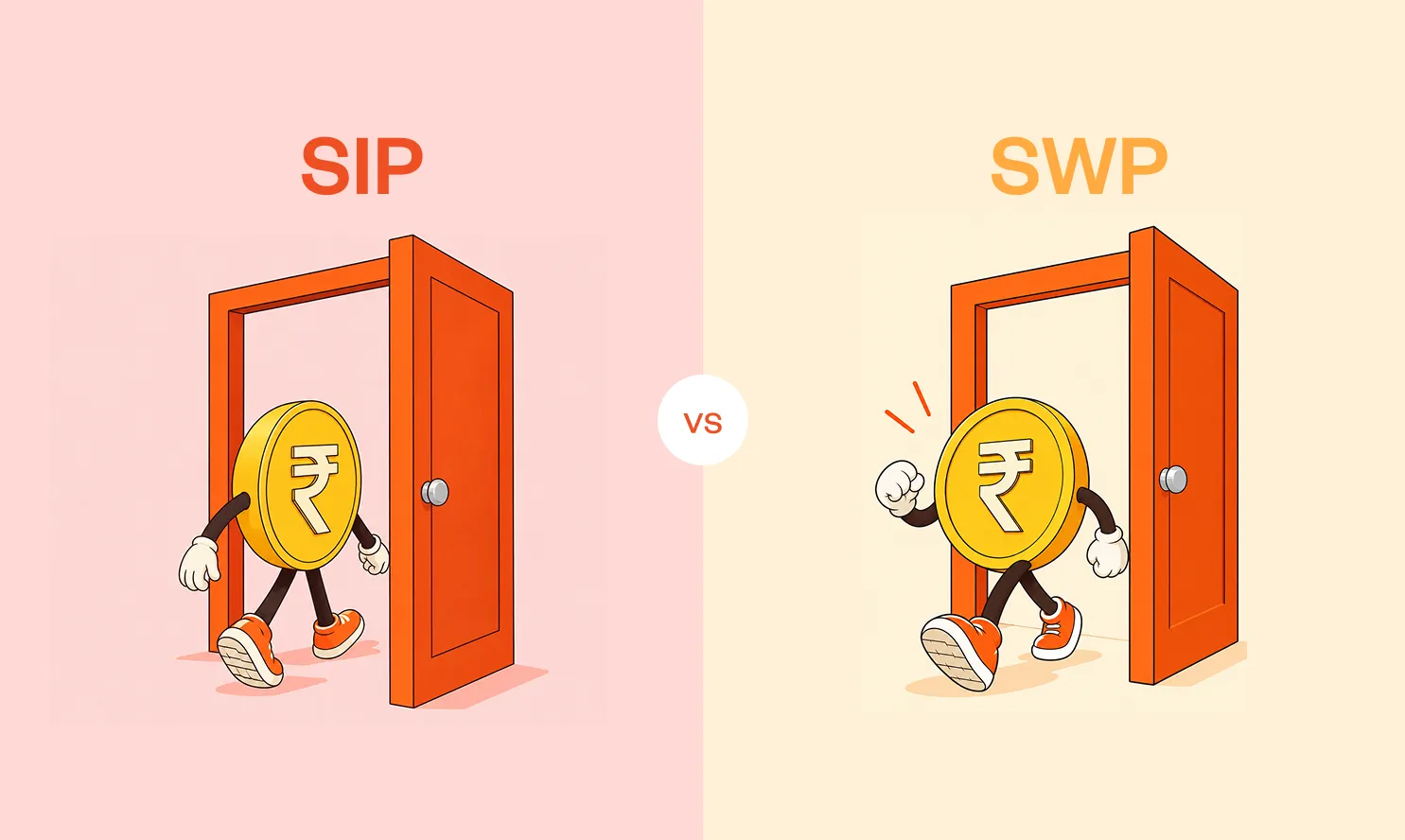
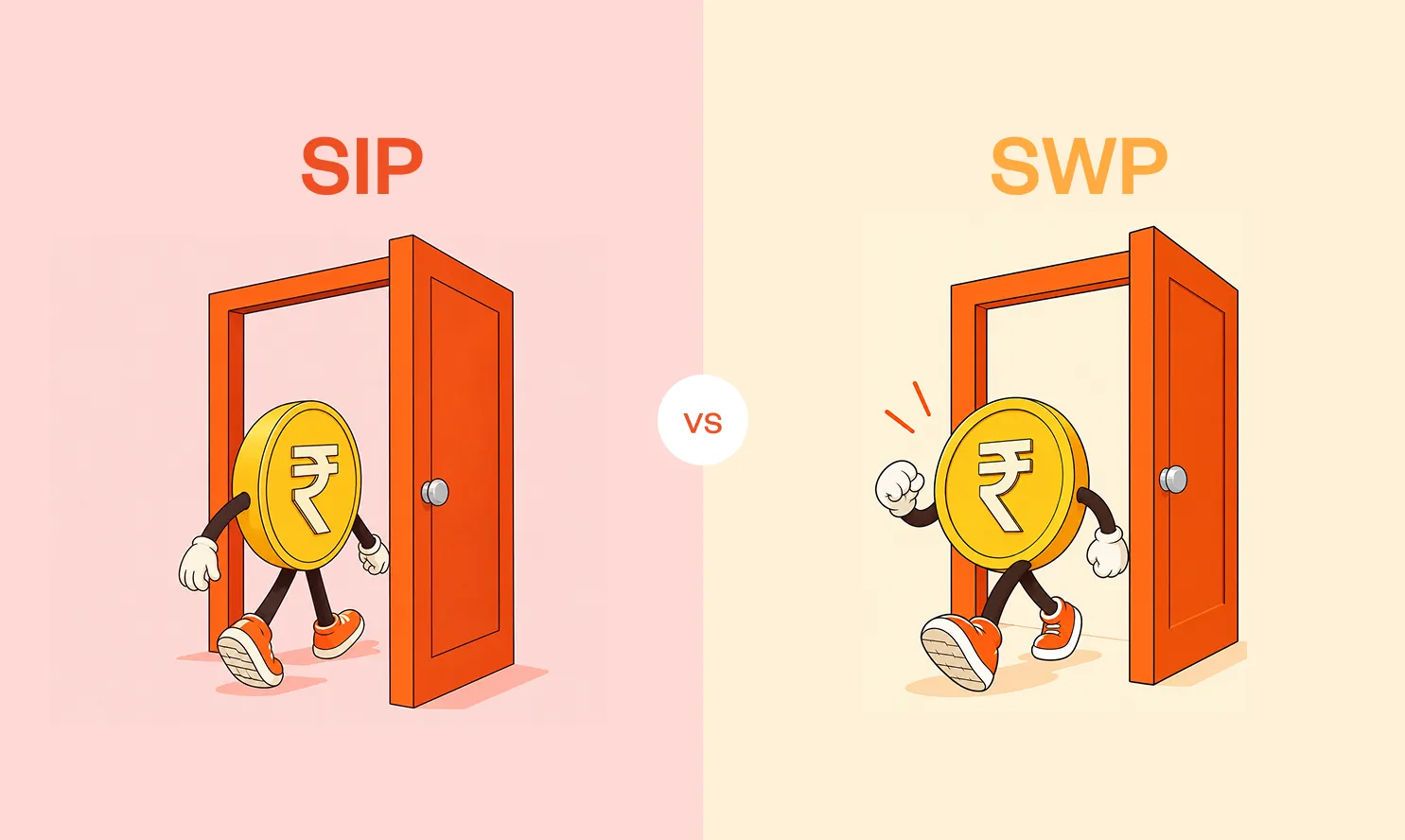
A Systematic Withdrawal Plan (SWP) lets you pull out a set sum of money from your mutual fund at scheduled times. It works in reverse compared to a SIP: while a SIP involves putting a fixed amount into a fund regularly, an SWP pays that money back out to you. SWP withdraws money from that investment.
It is generally used by people who prefer having a regular source of income while keeping the original investment as it is. For example, a retired person can use SWP to receive money every month to meet regular expenses.
Setting up an SWP requires you to first invest a lump-sum amount in a mutual fund scheme. Then, based on the amount and the frequency you select, a sum will be regularly withdrawn and transferred to your bank account. The remaining amount stays invested in the scheme.
How does SWP work?
When you invest a lump sum amount in a mutual fund scheme, it is invested as usual across different assets held by the fund. You receive the units of the fund based on the Net Asset Value (NAV). If you are still getting familiar with how mutual funds work, NAV is simply the value of one unit of the fund on a given day. Along with that, you also set up an SWP by selecting how much money you want to withdraw regularly.
Let’s understand it with a practical scenario. Suppose Mr Shyam is a retired employee from a private IT firm and has ₹10,00,000 saved to invest in a mutual fund. However, he still requires a steady income stream to cover his day-to-day monthly costs.
He invests ₹10,00,000 as a lump sum in a mutual fund scheme when its NAV is ₹100. He receives 10,000 units of the fund. Now, he sets up an SWP to withdraw ₹10,000 every month.
In the first month, the NAV is ₹100. The fund redeems 100 units and pays Mr Shyam ₹10,000. He is now left with 9,900 units. The next month, suppose the NAV rises to ₹125. To pay the same ₹10,000 this time, the fund will have to redeem only 80 units.
The monthly withdrawal amount remains the same. Only the units redeemed fluctuate according to the scheme's NAV. So if the NAV falls, a higher number of units are redeemed. And since the units are sold for monthly withdrawals, it is subject to capital gains tax depending on the scheme type, holding duration and the applicable tax rate.
What are the benefits of SWP?
SWP can be a good option for some investors. Here are a few key advantages of setting it up:
- Regular withdrawals: You receive a fixed amount directly into your bank account, which you can use to meet your regular expenses.
- Flexibility: You can decide how much you want to withdraw and how frequently you want to withdraw. You can also pause or stop SWP when money is not required.
- Financial discipline: You don’t feel the impulse to withdraw the entire investment. The remaining amount can stay invested and grow over time.
- Rupee cost averaging: When the NAV is high, fewer units are sold to withdraw your predefined amount. When the NAV is low, a higher number of units are sold. But it stops you from selling all your units at once during market crashes.
What are the disadvantages of SWP?
Understanding what is SWP in mutual funds isn’t enough. Here are some of its disadvantages you should know:
- Investment amount can run out: If withdrawals are higher than the returns, your investment amount will reduce and run out over time.
- Market falls can affect your balance: When the NAV falls during a market correction, more units are sold to withdraw the same amount.
- No benefit of compounding: If you keep withdrawing instead of investing, you don’t get the effect of compounding on your investment.
- Inflation risk: If your withdrawal amount is fixed and inflation rises over time, you may not be able to meet the same expenses from the withdrawn amount.
What should you keep in mind before opting for SWP?
Before setting up an SWP, take the following factors into account:
- Total investment: Check how much you’ve invested and how long you want the amount to last. Withdrawing too much will quickly deplete your capital.
- Monthly expenses: Calculate how much money you need every month. Based on that, set up the amount you need to withdraw.
- Scheme type: Explore different funds and see which scheme suits your requirements. Each fund has different holdings and carries a different level of risk.
- Withdrawal amount: Choose a figure that your investment can support. Account for changes in market values while deciding.
- Emergency savings: Set aside some amount for emergency situations so that you don’t have to increase your SWP or sell your entire portfolio at once.
The bottom line
Just because you understand what is SWP in mutual funds isn’t enough reason to go ahead and set it up. Understand your needs first, whether you want a fixed monthly source of income or you want to grow your investment for future wealth creation. Both need a different approach.
If you’re just starting your investment journey, focus on building your savings and investing according to your goals. You can consider an SWP later when you need to use the money you’ve accumulated.