

What are FMCG stocks?
FMCG stands for fast-moving consumer goods. These are products that we buy and use regularly. Typical examples include packaged snacks, soap, tea powder, dishwashing liquid, and beverages. FMCG stocks are shares of companies that make and sell these products.
Selling everyday goods involves more than making a product. A company needs raw materials, factories, packaging and a way to get its products into shops. It also has to compete with other brands for customers.
For example, let’s say your usual detergent becomes more expensive. You might switch to another brand. This happens a lot across many FMCG products. Companies need to keep their customers while controlling the cost of making their products.
FMCG sector at a glance
India’s FMCG market is the 4th largest sector in the country, with a value of ₹25 lakh crore. It is growing at a rate of 8% to 10%. Rural markets continue to grow faster than urban markets, though the gap has narrowed. E-commerce accounted for 18% of FMCG sales in the country’s top 8 metros. Quick-commerce platforms make up more than 3/4ths of e-commerce FMCG sales. This shows how there is a shift in the way people are buying everyday products.
The Union Budget also has an influence on the FMCG sector’s demand. Measures that support rural incomes, employment and spending put more money into consumers’ hands for everyday purchases.
GST 2.0 also has an impact by changing the tax rates on several everyday products. Items like shampoo, toothpaste and soap moved to the 5% GST slab. Many packaged foods, including biscuits and chocolates, also moved to 5%, while some food items became tax-free.
Lower GST rates can bring down prices, but the final price depends on how manufacturers and retailers pass on the tax savings. Further, raw material prices also become an important factor for FMCG products. Rising costs can put pressure on the sector’s profit margins even as their sales continue to grow.
Overview of the top 5 FMCG stocks
These FMCG companies sell different products. Here’s a quick glance at their fundamentals and business mix before you consider investing.
Hindustan Unilever
Hindustan Unilever (HUL) sells products across home care, personal care, beauty and food. Its brands include Surf Excel, Vin, Dove, Lakme, Sunsilk, Horlicks, and Kissan. This gives it a presence in several parts of a household. Its personal care business includes skincare and haircare products.
ITC
ITC Limited, sells packaged food under brands such as Aashirvaad, Sunfeast, Bingo, and Yippee. Its range includes flour, biscuits, snacks and instant noodles. ITC has been expanding its food portfolio with new products. The company also operates in cigarettes, paperboards, packaging and agriculture. So, its overall performance doesn’t depend on FMCG alone.
Nestle India
Nestle India is known for Maggi noodles, Nescafé coffee and Milkmade. Its products reach customers through kirana stores, supermarkets, and online stores. It also sells goods directly to restaurants, hotels and corporate offices. Since its ingredients vary by product, different raw materials affect different products. For example, coffee prices can affect Nescafé. The company needs to manage costs while keeping products affordable to customers.
Varun Beverages
Varun Beverages makes and sells drinks under PepsiCo brands. Its products include Pepsi, Mountain Dew, Stong, Slice, Tropicana and Aquafina. The company sells its products in India and several other countries. Its sales tend to rise during summer, when demand for cold drinks is higher. The company also needs to manage bottling capacity, packaging costs, distribution and water supply.
Britannia Industries
Britannia sells biscuits, bread, cakes, rusks and dairy products. Its brands include Good Day, Marie Gold, Nutrichoice, Milk Bikis and Treat. Many households buy its products, but local bakeries and lower-priced brands also compete for the same customers. Britannia also has to manage raw materials and packaging costs. When these costs rise, it has to balance product prices with customer demand.
How to pick the right FMCG stocks?
Before choosing FMCG stocks, look at factors that drive their businesses, such as:
- Sales volume: Check whether the company is selling more units or mainly earning more because it raised prices. Volume growth gives a clear picture of customer demand.
- Product mix: Find out which products contribute to sales the most. A company that relies heavily on one category may be affected if demand for it falls.
- Distribution reach: Check if its products are available in rural shops, supermarkets and online stores. A wider reach can help the company attract more customers.
- Raw material costs: Look at what ingredients and packaging the company needs. Rising costs can reduce profits if the company cannot pass them on to customers.
- New products: Check whether new launches are gaining customers. A product launch is only useful if people keep buying the product after its initial release.
The bottom line
FMCG stocks give you a way to invest in companies behind products people use every day. But a familiar name alone is not enough reason to buy a share. The company still needs to retain customers, manage costs and compete with other brands.
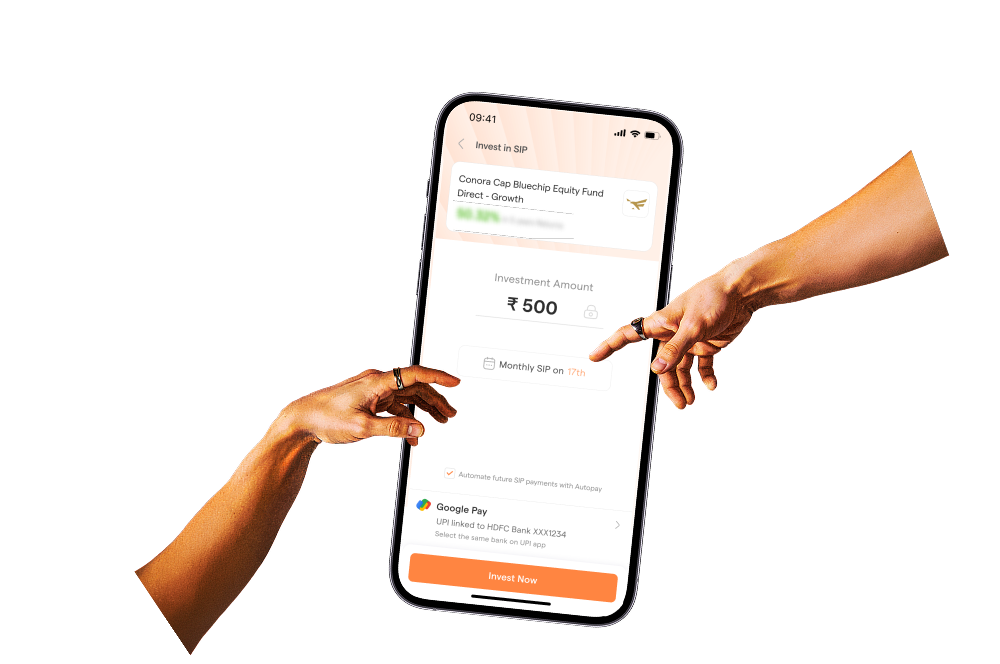
If you are investing in FMCG stocks, you can also explore sectoral or thematic mutual fund schemes that invest in FMCG companies. It can offer you a more balanced and diversified exposure in terms of spreading your risk across different companies. On the Millions app, you can compare different schemes and start an SIP for regular investment in the FMCG sector. However, you must check the fund’s holdings to understand where your money is getting invested and the risk involved.
Disclaimer: The stocks listed above are selected based on market capitalisation. The information is provided for educational and informational purposes only and should not be considered investment advice.