

Why budgeting should be your first financial priority
Your 20s lay the foundation for your future financial health. During this time, a large number of young professionals are facing new challenges, including rent payments, loan repayments and EMIs, family obligations, education loan repayments, etc. Meanwhile, you'll want to enjoy your earnings, whether by travelling, shopping, or going out to dinner.
These competing priorities can make it hard to save consistently if you don't have a budget. You could find yourself using credit cards or putting off major financial objectives just because you don't know where your money is going. The sooner you learn to manage your income wisely, the easier it will be to build an emergency fund, invest regularly, and achieve long-term financial stability.
Step 1: Know exactly how much money you have coming in
You must know how much money you make each month before you can create a budget. First, determine your post-tax income for the month. Include other income streams, like freelance work, part-time work, rental income, or other side hustles.
Using your after-tax income gives you a realistic picture of how much you actually have available to spend and save. Once you know this number, planning your budget becomes much easier.
Step 2: Track where your money is going
Make an effort to track all expenses for a month, no matter how insignificant. Go through bank statements, UPI transactions, payment apps, credit card bills, etc., to ensure you don't miss out on anything.
Next, divide your expenses into two categories. Fixed expenses are rent, EMIs, insurance premiums, and subscriptions. Such expenses tend to remain fixed monthly. Variable costs are groceries, eating out, entertainment, shopping, and travel. These are places where budgets are likely to get blown.
As you review your expenses, ask yourself a simple question: "Was this something I needed or simply something I wanted?" This can help you identify how to budget in 20s, which minimises spending habits that may be stopping you from reaching your financial goals.
Step 3: Create a realistic monthly budget
After you have an understanding of your income and spending habits, you are ready to create a realistic budget.
First, budget money for your basic needs, for example, rent, groceries, transport, and utility costs. Then, save and invest before spending discretionarily.
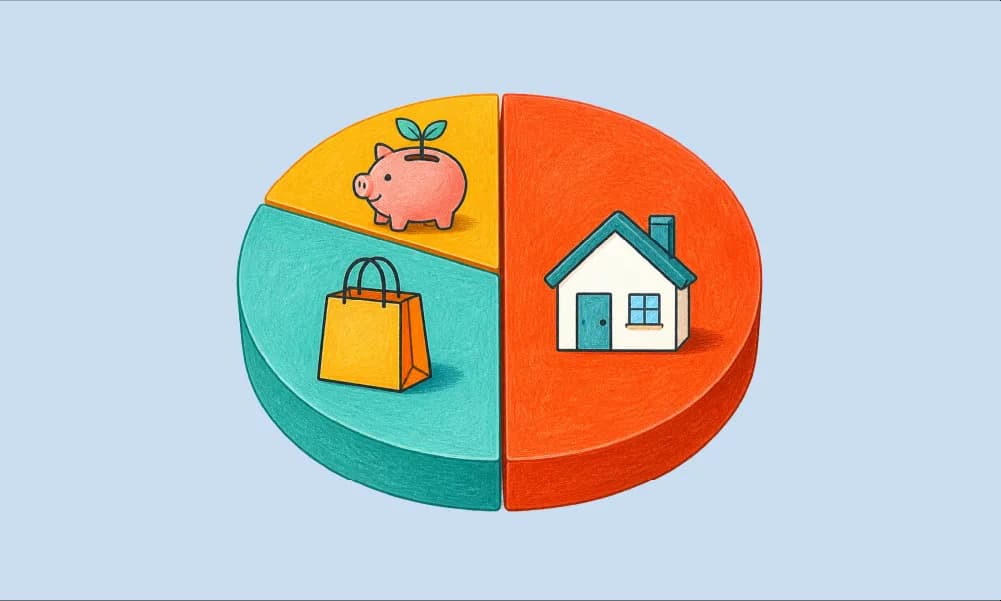
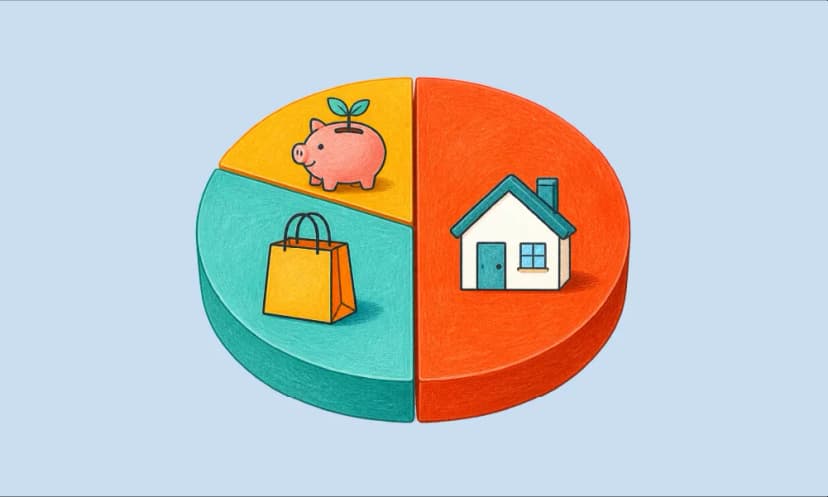
A popular budgeting approach is the 50/30/20 rule, where 50% of your income goes towards needs, 30% towards wants, and 20% towards savings and investments. Think of this as a guideline rather than a strict rule. Your budget should reflect your income, responsibilities, and financial goals.
Most importantly, leave some room for unexpected expenses. A flexible budget is a lot easier to adhere to than a too-restrictive budget.
Step 4: Make saving part of your budget, not what's left over
One of the common budgeting pitfalls is to put aside whatever is left for the month. Most of the time, very little is left to save. Rather, set aside the savings like any other monthly bill. Put a fixed amount into your savings or investment account as soon as you get paid, before you begin spending.
First, establish an emergency fund with enough money for three to six months of basic living costs. When your income rises, save more! Saving is fun, and upgrades are fun as well, but if you make saving a habit, your financial progress will keep pace with your earnings.
Step 5: Review and adjust your budget regularly
Take some time at the end of each month to check your spending. See if you spent less or more than you had planned, and what you ended up spending more or less than you had projected.
If you've been promoted, got a new job, or assumed new financial obligations, make sure to adjust your budget. A flexible budget is better than an impractical one.
Common budgeting mistakes to avoid in your 20s
Everyone makes budgeting mistakes, particularly as they're just starting out. One of the most frequent errors is that people make a budget without measuring their expenses. Without an understanding of where your money is going, you will have a hard time creating a realistic spending plan.
Another is not including other costs like annual insurance premiums, birthdays, festivals, or holidays. Even though these expenses may not be monthly, it is important to account for them in your financial planning. Last but not least, don't compare your lifestyle with others.
Social media can reveal a lot about people's lives, but not necessarily about their finances. So next time you question how to budget in 20s, it should be based upon your priorities, not someone else's.
Different budgeting methods you can try
One budgeting approach is not for everyone. The best budget is the one that you can follow.
The 50/30/20 rule is a commonly used guideline as it is simple and flexible. If you are looking for more control over your expenditure, you might consider adopting zero-based budgeting, which involves allocating each rupee even before the month starts.
Another option is the pay-yourself-first method, where you save or invest a fixed amount as soon as your salary is credited and then plan your expenses with the remaining income.
Budgeting becomes much easier when it turns into a habit rather than a monthly task. Automate as much of your bill payments and savings as you can. This makes it less likely to miss deadlines and helps to save without giving it a second thought.
Check in monthly and mark your milestones. Simply keep in mind to celebrate responsibly with no overspending. Most importantly, don't aim for perfection. Some months you'll spend more than planned, and that's okay.
Conclusion
The goal of budgeting in your 20s is not to deprive yourself of the things you enjoy. It is a matter of making good financial choices that will enable you to live in the present without compromising the future. As your life and priorities change, a regular review of your budget and some minor tweaks will keep you on track. Begin slowly, be steady, and keep in mind that each wise financial choice you make today will affect your future.