

There’s that moment at the end of the month.
You log into your bank’s app hoping to feel relieved, but instead of that, you find yourself doing mental math you didn’t ask for. Rent is paid, bills are cleared, and your “I’m going to save this time” plan quietly fades into thin air.
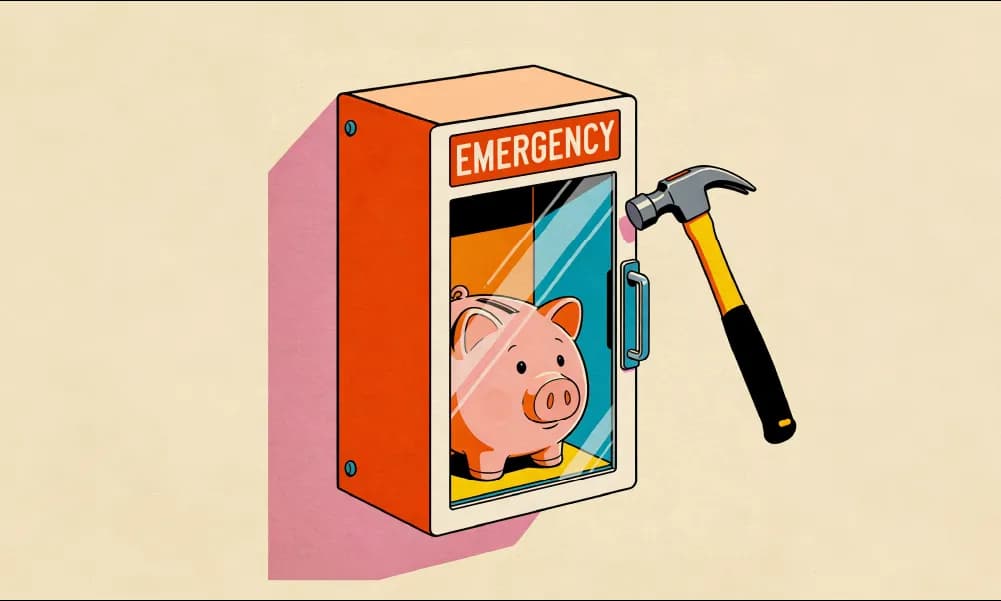
And somewhere in all of this, someone tells you, "You need to create an emergency fund. Exactly. With which money?
But here’s the part that no one ever says clearly enough: emergency funds aren't formed from extra money, but rather from minor choices made within tight months.
Not perfect ones. Not rich ones.
Just average ones. Like the one you are already having.
It starts with a simple shift: stop thinking “big fund”
Everyone thinks of an emergency fund like some big achievement. Three to six months' worth of savings sitting in one’s account. All organised and ready. Responsible.
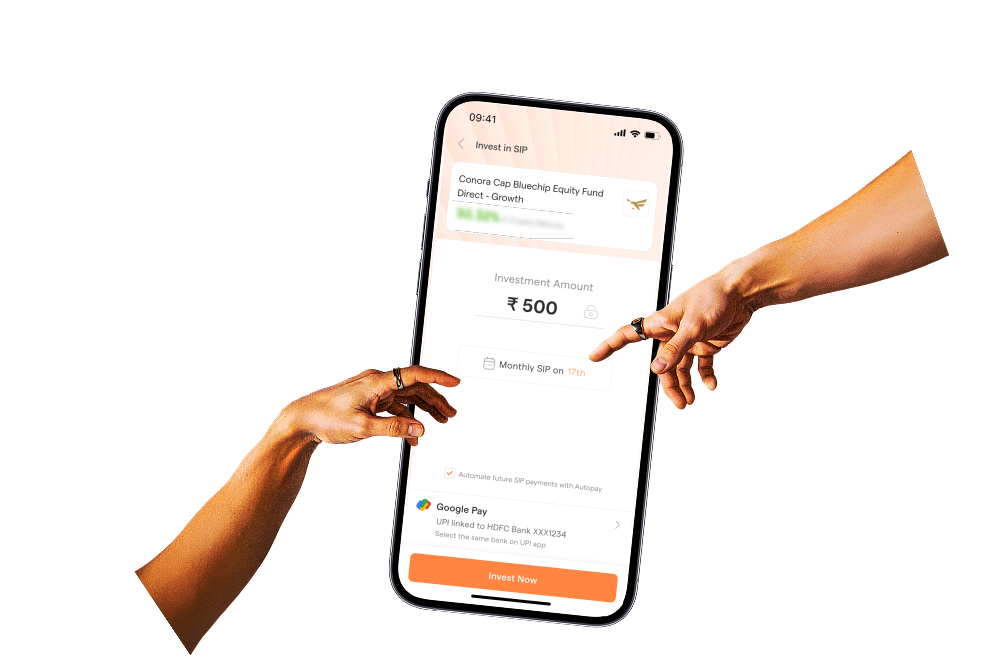
But don't go straight for the finish line. Instead, downsize the story. Think small first. Very small. Not ₹50,000. Not ₹1 lakh. ₹500. Yes, ₹500.
It’s not that inspiring. That is precisely what makes it work. Because right now, you’re not creating a fund; you’re creating evidence. Evidence that cash does not have to evaporate on arrival. Evidence that you can hold it up, even briefly.
Once you realise it is possible, it will become easy to do again. The significance of that first step lies in its occurrence, not in the money involved.
Save before life spends it for you
Nobody wants to spend all their earnings. There are expenses. There are bills. And with that, the thought of saving money becomes nothing but a pipe dream.
So instead of forcing yourself harder, change gears and do things the other way around. Remember to put aside some cash immediately once you receive your paycheck. Before paying the rent. Before shopping for groceries. Before other expenses begin to eat into it.
Even ₹50. ₹100. ₹500. It won’t be a big deal. But this little shift will transform the way you manage your finances.
If you want to avoid depending on your memory or discipline (which wanes quickly), automate it:
- Automate the transfer on payday
- Use the UPI automatic payment
- Use applications to round off your expenses and automatically save the extra money
- Follow a 50 30 20 rule
Your money isn’t missing - it’s scattered
This part is often overlooked. Yet, this is where much of the solution lies. It’s never one major expense that stands in the way of your savings. Instead, it’s many small recurring expenses:
- Ordering food when you’re too exhausted to cook
- Unused subscriptions that just keep rolling in
- Impulse purchases that seem too small to matter
None of these individually seems to be an issue. Together, however, they add up to fill the gap where your savings would have been.
The point is not to give up on everything; it will probably fail eventually anyway. Simply be more mindful. Cut one subscription. Pass on a meal delivery. Put off an impulse purchase. Doing this alone can save enough to start an emergency fund.
Make saving boring (seriously)
That is one thing very few know. If your savings are kept in a bank account that you use for spending purposes, then they stop being your savings. They become accessible. Accessible cash is spent.
Therefore, rather than trying to make yourself save money, just adjust the system once. Put some distance.
- Separate your emergency fund from your regular savings account.
- Not linked to any UPI or any daily app
- Not to be accessed every second day
Motivation won’t work for you here. The point is to make savings invisible to yourself. Why? Because out of sight means out of mind.
If you want to push this farther:
- Ensure that part of your salary goes directly to a separate account
- Not just a different bank but a different bank altogether
- Also, rename the bank to “Do Not Touch”
Small steps. Big results. Simply because your savings have become inaccessible.
Your number will look different
This is something you often hear: save 3-6 months of expenses. This is quite helpful. However, it isn’t personalised. Your lifestyle determines your emergency fund amount.
If you are the sole breadwinner, then you would need more. If you have two people earning money, you could have less.
Make it real: Say your basic monthly requirements amount to ₹20,000. ₹60,000 is a good start, ₹1.2 lakhs would give you some breathing space.
But there’s no point worrying about reaching there straightaway. Go step by step, start small: ₹5,000-₹10,000. This would cover you in many scenarios, like medicines and emergencies. Once you hit this milestone, saving will seem more achievable.
Let it grow with your life
There is no endpoint to reaching an emergency fund. It changes. Your expenses will evolve. Your obligations will grow and so will your fund.
Once every two months, take a break to find out if:
- The rent has risen.
- Your expenses have increased.
- You have new dependents.
Then gradually increase your goals. There is no need for sudden changes.
Here’s the one thing to take away from this… Being paycheck to paycheck doesn’t mean that something has failed; it simply means it is a tough game. A tough game doesn’t leave room for large gambles; only the small ones pay off.
Here’s the actual change: Forget about saving what's left. Start by saving first. Emergency funds aren’t created in ideal conditions. They’re created in normal months, with actual expenses, actual limitations, and actual life.
Begin small enough that it won’t weigh you down. Remain committed enough that it becomes habitual. Because ultimately, financial security isn’t one massive action. It’s little choices that quietly last long enough to make a difference.